

 Facebook
 X
X
 Pinterest
 Copy Link
What Out-of-State Buyers Almost Always Get Wrong About Santa Fe Real Estate
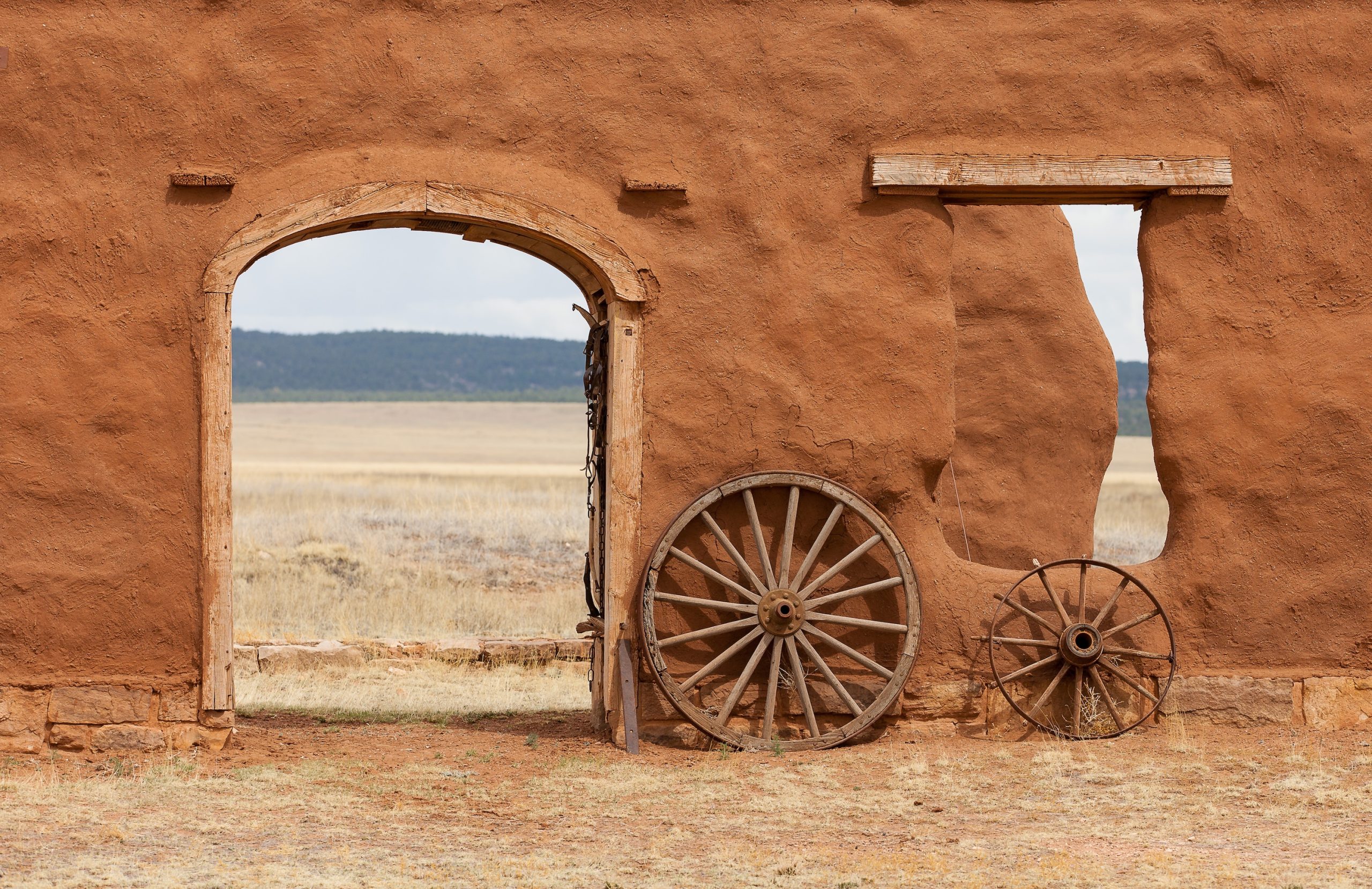
If you’re thinking about buying a home in Santa Fe, you’re not alone — and you’re probably already in love with the idea. Santa Fe has a way of making people feel certain they understand it after a long weekend. The light hits differently at 7,000 feet. The architecture feels unlike anywhere else in the country. The food, the galleries, the mountain air — it all adds up quickly, and by Sunday afternoon, a lot of visitors find themselves pulling up real estate listings on their phones before they’ve even made it back to the hotel.
That feeling is real, and it’s earned. Santa Fe is genuinely one of the most compelling places to live in the American West. But buying a home here — especially from out of state — is a fundamentally different experience than what most buyers expect coming from California, Texas, New York, or Colorado. The misconceptions aren’t about taste or preference. They’re about things that affect your budget, your timeline, your daily life, and the long-term value of your investment. Brent and I have worked with enough relocating buyers to know that the surprises people encounter aren’t random — they’re almost always the same ones, and they’re almost always avoidable with the right guidance up front.
So before you fall in love with a listing photo, here’s what we think every serious buyer needs to understand about Santa Fe real estate before making a move.
Adobe Is Beautiful. It Is Not Low-Maintenance.
This is the misconception that catches buyers off guard more than any other. Adobe construction is deeply woven into Santa Fe’s architectural identity — its thick walls, earthy tones, and timeless presence are a huge part of what draws people here. But buyers who assume adobe means “simple” or “durable without much effort” are in for a rude awakening.
True adobe requires ongoing upkeep, particularly the exterior plaster coating known as stucco. In Santa Fe’s high desert climate — intense UV exposure, significant temperature swings, monsoon rains, and periodic freeze-thaw cycles — that exterior coating can deteriorate faster than buyers anticipate. Parapet walls and roof drains need regular attention. Flat or low-slope roofs (very common in traditional Santa Fe architecture) require more vigilant maintenance than the pitched roofs most out-of-state buyers are used to. When we tour a home with a buyer, we’re always asking: when was the stucco last redone? How are the parapets holding up? Has there been any water intrusion at the vigas?
None of this makes adobe a bad choice — far from it. Adobe’s thermal mass means these homes stay naturally cooler in summer and hold heat in winter, which is genuinely valuable at this elevation. But it does mean that a thorough inspection and a clear-eyed look at deferred maintenance aren’t optional — they’re essential. Part of our job is making sure buyers understand exactly what they’re getting into before they’re under contract.
Elevation Changes Everything — Including Your Budget
Santa Fe sits at approximately 7,000 feet above sea level, and that single fact touches nearly every aspect of homeownership in ways buyers from lower elevations simply don’t think about until they’re here. For anyone seriously considering buying a home in Santa Fe, elevation isn’t a footnote — it’s a factor that shapes your utility costs, your landscaping, and even how your appliances perform.
HVAC systems work harder at altitude, and the climate’s wide temperature range — from summer afternoons in the high 80s to winter nights well below freezing — means heating costs can be surprisingly significant, particularly in older homes with less insulation. High desert landscaping is a discipline unto itself: the plants that thrive in your yard in Phoenix or Austin won’t survive here, and the water constraints in New Mexico make irrigation planning a genuine part of property ownership. Buyers should budget accordingly for xeriscaping or native plant installation if a property’s existing landscaping is water-intensive or poorly adapted to the region.
The elevation also means your appliances, particularly gas ranges and water heaters, may need adjustment for high-altitude performance. These aren’t dealbreakers — they’re just part of the territory, and the territory is worth it. But going in with eyes open means fewer surprises on your first utility bill.
“The buyers we serve best aren’t the ones who already know everything about Santa Fe — they’re the ones who are genuinely curious about what they don’t know yet. That’s where the real work begins.”
Santa Fe Isn’t One Market — It’s Several
This is the point that surprises even buyers who have done serious research. When people search “Santa Fe homes for sale,” they’re looking at a single result that actually encompasses several distinct micro-markets, each with its own pricing dynamics, buyer profiles, architectural character, and community feel. We covered some of this territory in our broader 2026 Santa Fe real estate market overview — but it’s worth going deeper here, because for out-of-state buyers, the neighborhood differences are often the biggest blind spot.
The Historic District — the area closest to the Plaza, Canyon Road, and the old city core — carries a premium that reflects both its scarcity and its cachet. Inventory is limited, design review restrictions are real, and properties here don’t sit long when they’re priced correctly. The East Side, stretching toward the Sangre de Cristo foothills, tends to attract buyers who want proximity to trails, the ski basin road, and a quieter residential pace while still being close to the city center. Tesuque, just north of the city limits, feels genuinely rural — larger parcels, arroyos, established trees, and a village-like community that is decidedly not downtown. And Las Campanas, the premier gated community west of the city, is its own world entirely: golf, dramatic mountain views, master-planned amenities, and a HOA structure with its own set of rules, fees, and architectural standards.
The practical implication for buyers is this: the pricing logic in one neighborhood has very little to do with another. A home sitting on the market in Las Campanas tells you a different story than a home sitting in the Historic District. Days on market, price-per-square-foot, what renovations add value, what buyers in that pocket actually care about — all of it shifts depending on where you’re looking. Working with brokers who understand these distinctions isn’t a luxury. It’s a necessity.
The Contract Process Works Differently Here
If you’ve bought property in California, you may be expecting an attorney to shepherd you through closing. If you’re coming from New York, you’re probably expecting the same. New Mexico operates on an escrow model — transactions are handled through a title company acting as the escrow agent, guided by the New Mexico Association of Realtors Purchase Agreement, which has its own structure, contingency language, and timeline conventions that differ meaningfully from what out-of-state buyers have experienced before.
Inspection periods, earnest money expectations, and how contingencies are written and resolved all have their own local character in Santa Fe. Closing timelines can vary depending on the complexity of the transaction — and in a market where some properties involve acreage, well and septic systems, or unique title considerations, that complexity can be significant. Buyers who show up expecting their out-of-state transaction experience to map cleanly onto a New Mexico purchase often find themselves behind the curve during critical moments in the negotiation. Understanding the local contract norms before you make an offer isn’t just helpful — it can be the difference between getting the property and losing it.
“Horse Property” Doesn’t Mean What You Think It Does
For buyers dreaming of land, animals, and open sky — which describes a meaningful share of the people relocating to Santa Fe from coastal cities — the “horse property” designation in MLS listings can be genuinely misleading. In Santa Fe County, a listing tagged as horse property simply means that the zoning allows horses on the land. It does not mean there are stables, a barn, a tack room, fencing designed for horses, or any equestrian facilities whatsoever.
A property listed as horse property might be a beautiful five-acre parcel with nothing on it but piñon trees and a view. That’s not necessarily a bad thing — but if you’re counting on facilities being in place, you need to read the listing, and then read it again. Water rights are an additional layer: in New Mexico, water rights are legally separate from land rights, and in rural areas, understanding what water access a property actually has — and what it would take to support animals — requires specific due diligence that goes well beyond a standard home inspection.
What Smart Buyers Do Before Making an Offer
Buying a home in Santa Fe is one of the most rewarding decisions our clients tell us they’ve ever made. The market here rewards buyers who are prepared, patient, and willing to understand what makes it genuinely different from any other real estate market in the country. It penalizes buyers who assume their prior experience in other states has given them everything they need.
At FORM, we built our brokerage around exactly this kind of preparation. Brent’s nearly 24 years in real estate — combined with his background as a CPA specializing in tax and estate planning — means complex transactions, financing structures, and financial due diligence are second nature. Brendan’s background in digital marketing means we understand how to read a market, communicate clearly, and build the kind of trust that keeps clients informed rather than anxious. Together, we slow down at the beginning of the process so that everything moves faster and more confidently once you’re in it.
If you’re serious about buying a home in Santa Fe and want to understand what working with the right broker actually looks like in this market, this is a good place to start. And when you’re ready to talk through your specific situation, reach out here — we’d love to hear where you are in the process.